

How Leading AI Platforms Are Quietly Reshaping Enterprise Strategy
Across industries, leaders are realizing that the biggest AI shifts happen in the background of everyday tools your teams already use. In this post, we unpack recent moves from Anthropic, Apple, C3 AI, and Google that signal where enterprise AI applications are heading next. From AI-powered search to contextual assistants and investor-facing narratives, these updates point to one clear direction: the future of work belongs to organizations that turn AI into a practical, integrated layer across customer journeys, internal workflows, and decision-making.
Clarifying the Core AI Concepts Behind These Shifts
To get value from the latest AI trend news, it helps to align on a few core ideas. When we talk about AI enterprise applications, we mean concrete use cases where AI sits inside the tools you already use—search engines, mobile operating systems, analytics dashboards, and industry-specific platforms.
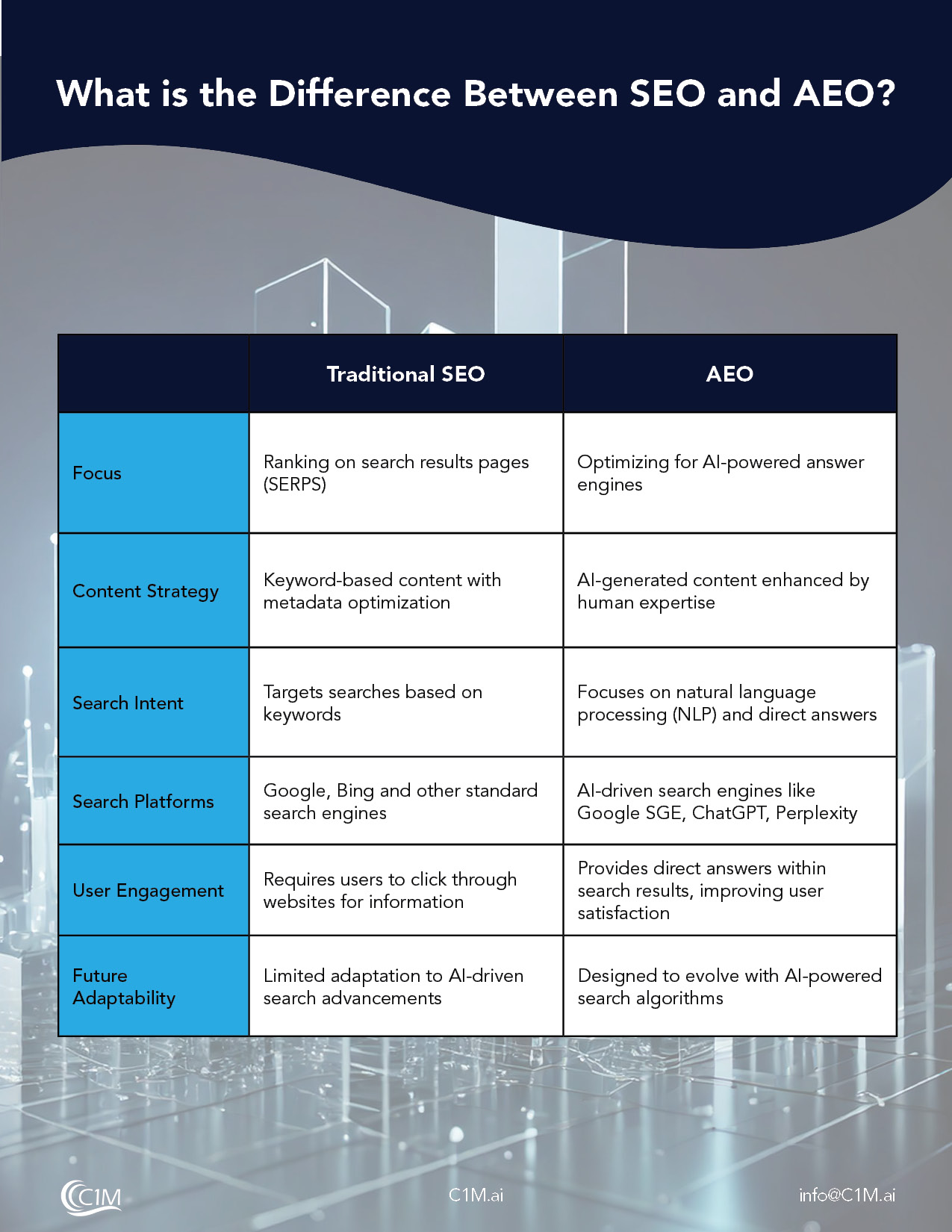
AI-enhanced assistants like Apple’s evolving Siri use large language models to interpret natural language, understand context across apps, and take actions rather than just answer questions. AI-powered search experiences, such as Google’s Gemini’s Canvas in AI Mode, bring summarization, comparison, and planning directly into the search interface, reducing friction between questions and decisions.
On the enterprise side, platforms like C3 AI focus on packaging these capabilities into workflow-ready solutions—asset optimization, risk scoring, or customer engagement—often emphasized in investor communications. Together, these concepts frame how AI can drive automation, insight, and better customer experiences in a way your organization can measure.
5 Major AI Developments Business Leaders Should Watch
1. Anthropic: Strategic Challenges Around Enterprise AI Adoption
Anthropic has recently come under scrutiny through an analysis titled The Trap Anthropic Built for Itself, highlighting the challenges and strategic missteps it faces in an evolving AI landscape. Alongside this, coverage of the US military continuing to use Anthropic’s Claude AI while some defense-tech clients move away underscores the complexity of balancing ethical positioning, reliability concerns, and enterprise expectations. Reports of a widespread Claude outage further emphasize how mission-critical AI services must prioritize resilience and trust.
For your business, the Anthropic story is a reminder that selecting AI partners is as much a strategic decision as a technical one. Reliability, alignment with your sector’s regulations, and clarity of long-term direction all matter. As AI becomes embedded in workflows, procurement and governance teams will increasingly evaluate not only model capabilities but also vendor stability and strategic fit.
2. Apple: AI-Enhanced Siri as a Cross-App Productivity Engine
Apple is preparing to unveil an AI-enhanced Siri that can perform tasks across apps and understand contextual actions. According to reporting, this AI-infused version of Siri is designed to move from simple commands toward a deeper understanding of what you need done on your device—coordinating actions, navigating between applications, and interpreting more complex requests.
For enterprises, this shift points to a future where employees interact with their devices through natural language workflows. Imagine team members asking Siri to pull the latest sales numbers, draft a summary in a document, and share it with a project channel, all through one instruction. As Apple continues to invest in this AI-powered assistant and aligns it with an upcoming product lineup, organizations that standardize on Apple hardware can prepare playbooks, security guidelines, and training so staff harness this new layer of productivity safely and effectively.
3. C3 AI: Investor Conferences Spotlight Enterprise AI Applications
C3 AI has announced that its CEO, Stephen Ehikian, will present at two investor conferences, using fireside chats to discuss the company’s enterprise AI applications. According to the Nasdaq press release, these appearances focus on explaining how C3 AI delivers value through AI-driven solutions across sectors, positioning the platform as a key enabler of digital transformation.
From a business perspective, this investor-facing communication is itself a signal. When a company chooses to highlight AI enterprise applications in high-visibility financial forums, it reinforces that clients, partners, and markets now expect clear stories about AI-driven outcomes. If you are evaluating vendors like C3 AI, these presentations can inform your understanding of their roadmap, target industries, and commitment to practical results, giving you insight into how their AI capabilities might integrate into your own operations and strategy.
4. Google: Gemini’s Canvas in AI Mode Expands Across US Search
Google has rolled out Gemini’s Canvas in AI Mode to all users in the United States, transforming the traditional search experience with AI-driven insights. As reported by TechCrunch, this AI Mode enhances search capabilities by enabling users to engage with a more interactive, generative interface that can synthesize information, explore ideas, and structure outputs in a workspace-like environment.
For organizations, this expansion changes how customers and employees discover, evaluate, and act on information. Marketing, content, and customer experience teams will need to think about how their digital presence appears within an AI-powered search journey where summaries, comparisons, and suggested actions influence decisions. Internally, knowledge workers can use Gemini’s Canvas to accelerate research, draft proposals, or analyze options directly within the search experience, streamlining workflows that previously spanned multiple tools.
5. Google: Play Store Commission Changes Reset App and AI Economics
Google has also reached a settlement with Epic Games, reducing its Play Store commission fees to 20%. This move, detailed in TechCrunch coverage, may significantly affect app developers and the broader gaming ecosystem. Lower commissions mean a larger share of revenue remains with creators and companies that distribute their products through the Play Store.
For businesses building AI-driven apps or integrating AI capabilities into mobile experiences, this change can reshape financial models. Additional margin can be reinvested in AI features, user experience enhancements, or acquisition strategies. As AI enterprise applications increasingly extend to mobile channels—whether through customer apps, field service tools, or internal portals—the underlying economics of app distribution influence how aggressively organizations can invest in innovation and ongoing optimization.
Why This Matters for the Future of Work and Enterprise Strategy
Taken together, these developments illustrate how AI is maturing from experimental projects into foundational business infrastructure. Anthropic’s challenges highlight the importance of selecting AI partners that align with your risk tolerance and reliability requirements. Apple’s AI-enhanced Siri points toward a workplace where natural language becomes a primary interface for daily tasks, replacing fragmented clicks with coordinated actions across applications.
C3 AI’s investor focus on enterprise AI applications reflects how markets reward companies that can clearly connect AI capabilities to measurable outcomes—cost savings, better forecasting, or improved asset performance. Google’s expansion of Gemini’s Canvas in AI Mode demonstrates that search is evolving into a planning and decision workspace, which affects how customers discover brands and how teams perform research.
Finally, Google’s Play Store commission changes influence the business case for AI-powered mobile experiences. Organizations that recognize these signals can recalibrate their AI strategies: rethinking vendor selection, enabling employees to work with AI-native tools, and exploring new revenue and engagement models built on AI-driven customer experiences.
Conclusion: Turning AI Trend News into Actionable Strategy
The latest moves from Anthropic, Apple, C3 AI, and Google show that AI enterprise applications now shape everything from search and mobile ecosystems to executive narratives and vendor risk. The question for your organization is how quickly you can translate these signals into a roadmap that aligns technology, people, and process.
If you are ready to assess where AI-powered search, contextual assistants, and enterprise AI platforms fit into your strategy, we can help you evaluate options, map high-impact workflows, and design practical implementations that support growth. Contact us to explore how a focused AI strategy can accelerate your competitive advantage.